
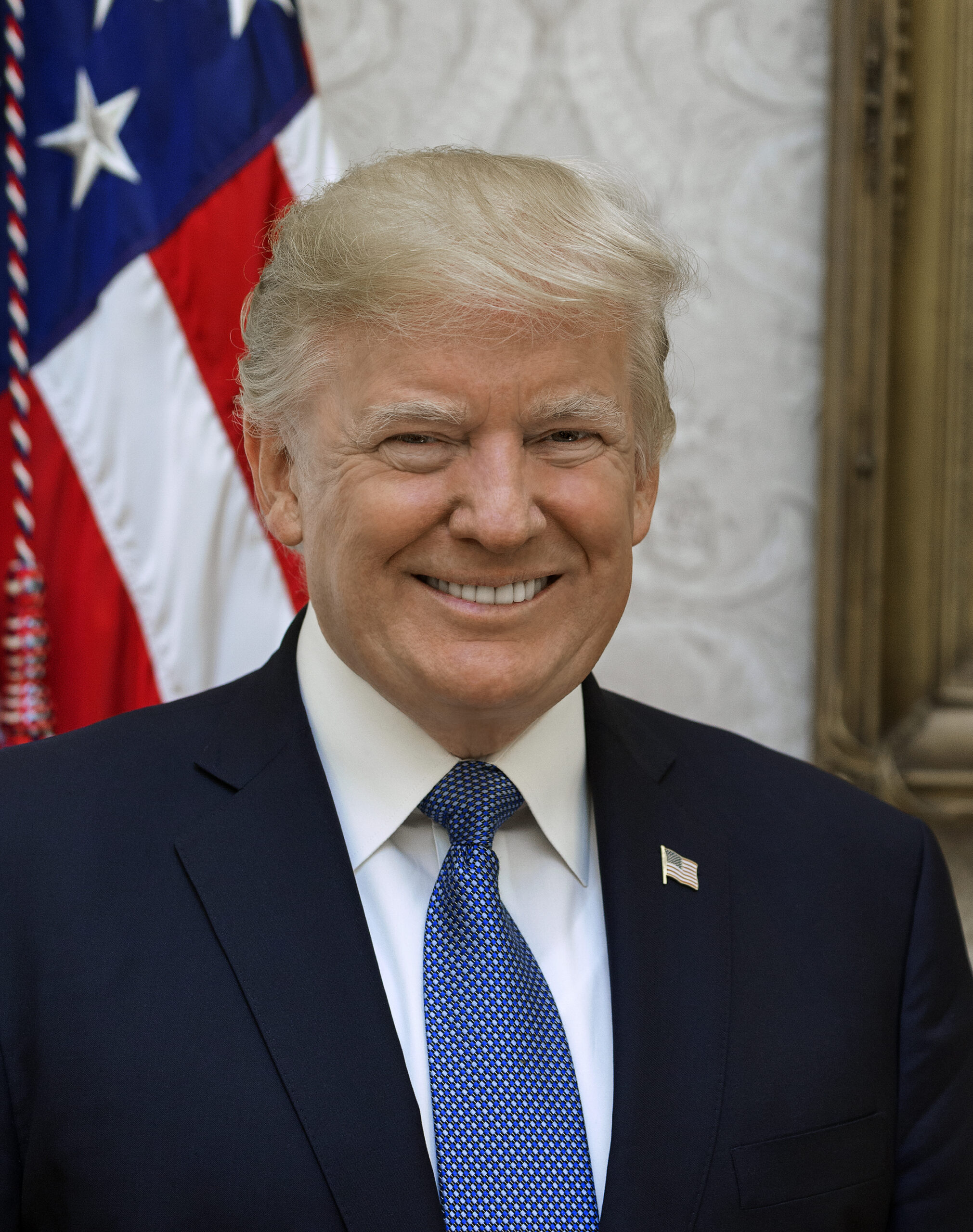

President Donald Trump has signed a new proclamation that bans or restricts the entry of citizens from multiple countries, citing national security concerns. The order, signed Wednesday evening, will take effect on Monday.
According to a statement from the White House, the proclamation imposes full travel bans on nationals from 12 countries deemed to have inadequate security screening processes.
These countries include Afghanistan, Burma (Myanmar), Chad, the Republic of the Congo, Equatorial Guinea, Eritrea, Haiti, Iran, Libya, Somalia, Sudan, and Yemen.
In addition, seven other countries face partial restrictions. These are Burundi, Cuba, Laos, Sierra Leone, Togo, Turkmenistan, and Venezuela.
The administration describes these nations as also posing elevated security risks.
The order includes exemptions for lawful permanent residents, current visa holders, certain visa categories, and individuals whose entry supports U.S. national interests.
The administration stated the move is intended to improve cooperation from foreign governments and strengthen U.S. immigration enforcement, national security, and counterterrorism efforts.
President Trump defended the measure, referring to it as a continuation of his earlier travel ban—commonly known as the “Trump travel ban”—which was upheld by the Supreme Court during his first term.
The court ruled that the ban was within the president’s legal authority and based on legitimate security concerns.
The White House emphasized the president’s responsibility to protect the American people and said the latest restrictions follow a formal review by the Secretary of State and other officials.