

Military intelligence operatives have uncovered about ₦11 billion in the bank accounts of a colonel currently in detention over an alleged coup plot involving some senior officers.
According to PUNCH, top security sources confirmed that the discovery strengthened the suspicion that the detained officer was connected to the plot said to have been in the works since last year.
According to a source, the colonel, who once served under a brigadier general now also being investigated, was previously deployed to the Niger Delta region.
“When questioned, he claimed the money belonged to a former governor, whom he described as his business partner,” the source said.
“He insisted the funds were for legitimate business transactions.”
Investigations into the matter, it was gathered, form part of a broader security probe that began after intelligence reports in August 2024 indicated that a group of serving officers was plotting to overthrow the government.
Sources said the Defence Intelligence Agency (DIA) had been monitoring the suspects’ communications, financial transactions, and foreign contacts for several months before any arrests were made.
“The suspects had been under surveillance since August 2024,” one senior officer said.
“They planned to strike on three occasions — including June 12 and October 1 — but the DIA quietly gathered evidence before moving in.
They even held meetings in the United Kingdom and Turkey.”
The heightened intelligence activities reportedly prompted adjustments to President Bola Tinubu’s movement earlier in the year.
“There was credible intelligence that the coup would be executed on October 1,” another source said. “That was part of the reason the Independence Day parade was cancelled. The security services were already steps ahead of the plotters.”
Last Friday, President Tinubu announced the removal of all service chiefs and appointed new ones in a sweeping shake-up of the military hierarchy.
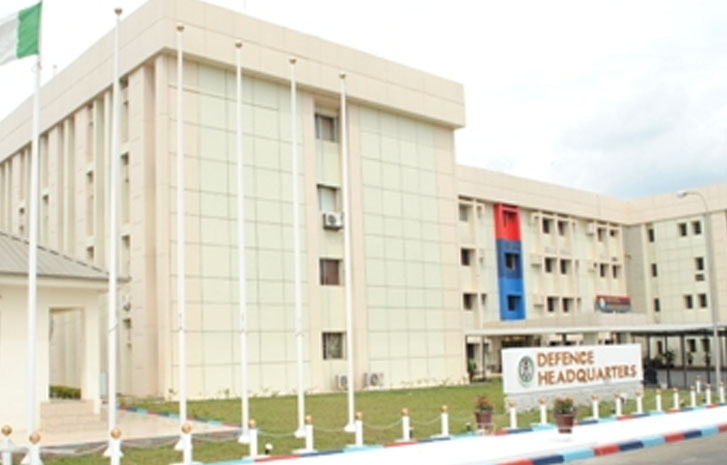
Sources said the dismissal of former Chief of Defence Staff, Gen. Christopher Musa, was partly linked to the Defence Headquarters’ public confirmation of the arrest of 16 officers — a disclosure described by top officials as a “management error.”
“The information about the arrests should never have been made public,” a senior source said.
“It was considered a breach of protocol and could have been misinterpreted internationally.
“That disclosure accelerated the decision to replace the service chiefs.”
The mass dismissal, according to insiders, was intended to prevent speculation that Gen. Musa was being singled out for disciplinary reasons.