
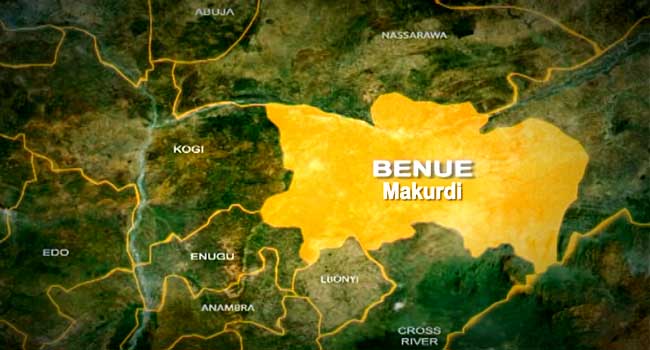

Anxieties have heightened across Tombo Ward in Logo Local Government Area of Benue State following the sudden inflow of herders said to be grazing cattle on community land without authorisation.
Residents fear the situation could escalate, especially amid allegations that many of the herders openly wield sophisticated firearms.
Community sources said the development has revived memories of past deadly incursions in the area.
DAILY POST gathered that community leaders, alarmed by what they describe as unlawful occupation of their ancestral farmlands, have lodged formal complaints with security agencies and relevant government authorities.
One of the petitions, authored by the ‘Gaambetiev Local Government Workers Forum’ and signed by its president, Jeyol Hilenen, stated that “there is rapidly increasing influx of migrant herders into Tombo council ward”.
The petition, circulated to security formations in the local government, added that “the herders are carrying out destruction of farm lands as a result of uncontrolled grazing activities.”
According to the petition:
“I write to formally bring to your attention the recent and rapidly increasing influx of migrant herders into Tombo Council Ward of Logo Local Government Area, particularly within the communities of Anyibe, Azege (Mbaya community), and the Abena Hill.
“Community members have reported the following developments: Ongoing destruction of farmlands in Azege (Mbaya Community) as a result of uncontrolled grazing activities; obstruction of fishing activities in Anyibe, affecting local streams and waterways; prevention of access to fish ponds around Abena Hill located North-East of Anyibe which has disrupted the livelihood of residents.”
The petition further warned that “The presence and conduct of armed herders have raised serious fear of potential danger based on previous experiences in the area.”
Local leaders, however, urged swift intervention to forestall possible violence, saying the continued presence of armed herders poses an imminent threat to lives and livelihoods in the affected communities.