
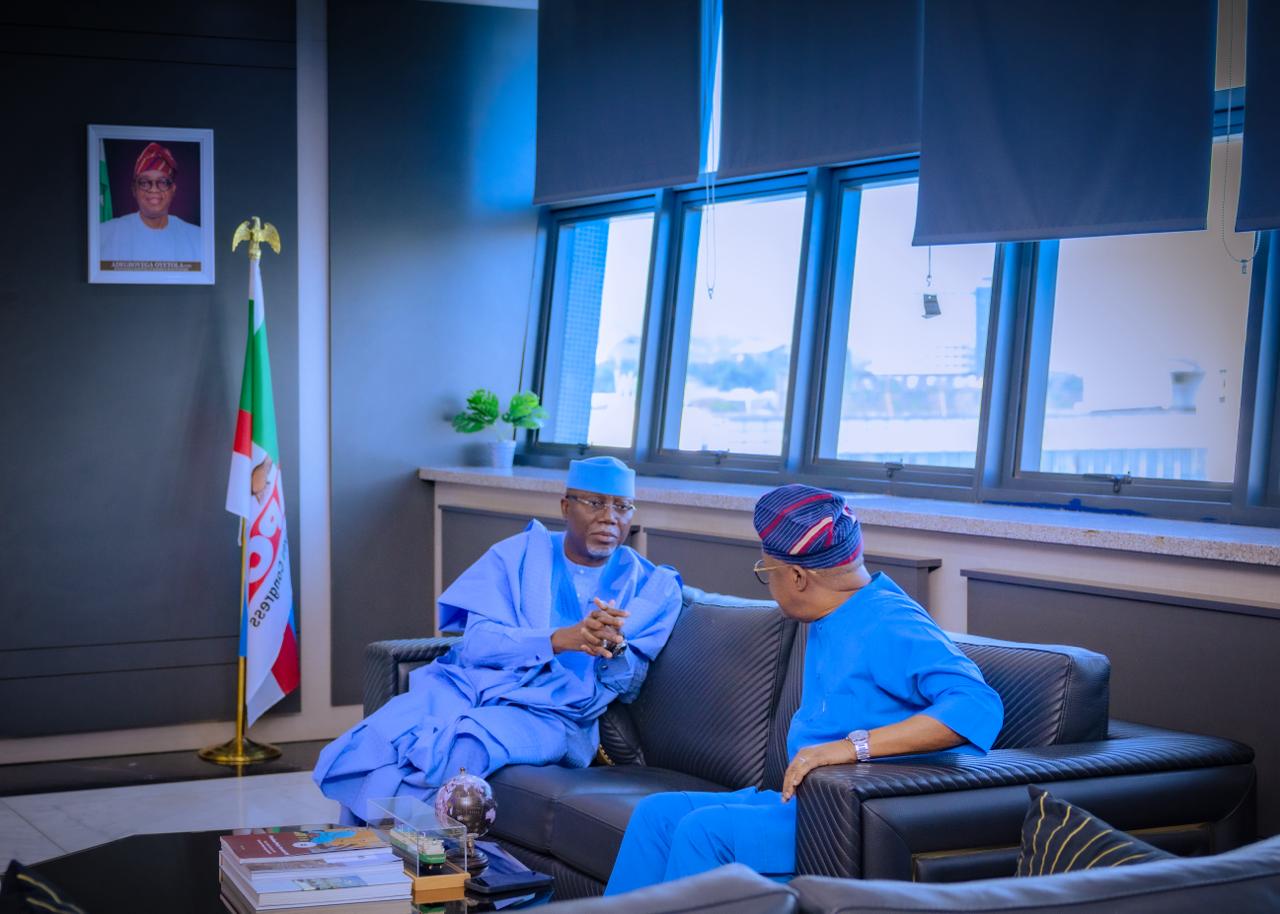

- As Gov Aiyedatiwa says project will drive trade, economic activities beyond state
The Ondo State Governor, Dr. Lucky Orimisan Aiyedatiwa, has said the proposed Ondo Deep Sea Port will function as a major hub for international trade, serving not only Ondo State but the entire country and some West African nations.
The Governor stated this on Thursday after receiving the revalidated licence for the port from the Minister of Marine and Blue Economy, Chief Adegboyega Oyetola, in Abuja.
The licence for the port, originally approved by then President Muhammadu Buhari in 2023, had been submitted to the Federal government for revalidation following some errors in the document.
Receiving the new licence from the Minister at the Ministry of Marine and Blue Economy during a short ceremony, Governor Aiyedatiwa thanked the Federal Government for fastracking the process of the revalidation.
Addressing newsmen after the event, Governor Aiyedatiwa said the state government was ready to get the project started as it will serve as hub for international trade.
Such infrastructure, he said, could not be restricted to state-level use, describing it as a gateway to international operations and businesses, and indicating its capacity to support industry, commerce and the economy as a whole.
The Governor explained that the deep sea port is designed to accommodate businesses across Nigeria and neighbouring West African countries, noting that it has a natural draught of about 18 metres.
According to him, the depth would allow very large vessels, larger than those currently operating in Lagos ports, to berth with ease.
Governor Aiyedatiwa added that the size of the port would eliminate the need for trans-shipment, as vessels would be able to sail directly into Ondo State waters.
The Governor said the project would have a positive impact on Nigeria’s economy, stressing that its benefits would not be limited to cargo movement alone.
He noted that once construction commences and the ground is broken, there would be increased movement of people into the state, including those involved in financial and humanitarian services, with attendant implications for state hospitality.