

Diplomatic efforts to halt the ongoing Middle East conflict suffered a setback on Sunday after the United States and Iran failed to reach a truce agreement following marathon negotiations in Islamabad.
US Vice President JD Vance disclosed that the high-level talks ended without a deal, despite Washington presenting what he described as its “final and best offer” to Tehran after nearly a full day of intense deliberations.
According to Vance, the US position hinges on securing a firm commitment from Iran to abandon any ambition of developing nuclear weapons — a condition he said Tehran has yet to meet.
“We are leaving with a clear proposal. It is now up to Iran to decide whether to accept it,” he told reporters shortly before departing Pakistan.
The negotiations, regarded as the most significant engagement between both countries since Iran’s 1979 revolution, were facilitated by Pakistan, which urged both sides to sustain dialogue and respect an existing temporary ceasefire.
However, early signs of disagreement surfaced as Iranian officials accused Washington of imposing “unreasonable demands,” particularly on strategic and military issues.
Tehran later downplayed expectations of a quick resolution, noting that decades of hostility could not be resolved in a single meeting.
The war, which erupted on February 28 following joint US and Israeli strikes on Iranian targets, has escalated into a broader regional crisis, disrupting global oil supply chains and rattling international markets.
Tensions have been further heightened by disputes over the Strait of Hormuz, a critical oil transit route. Iran had earlier restricted access to the waterway during the conflict, triggering a surge in global oil prices, while the US signalled efforts to secure the passage for international shipping.
Washington also intensified pressure ahead of the talks, deploying naval assets to the region, a move Tehran warned could provoke retaliation if its territorial waters were breached.
Despite the breakdown, diplomatic channels remain open.
Pakistan’s Foreign Minister, Ishaq Dar, reaffirmed his country’s commitment to facilitating further engagement, stressing the importance of maintaining the fragile ceasefire.
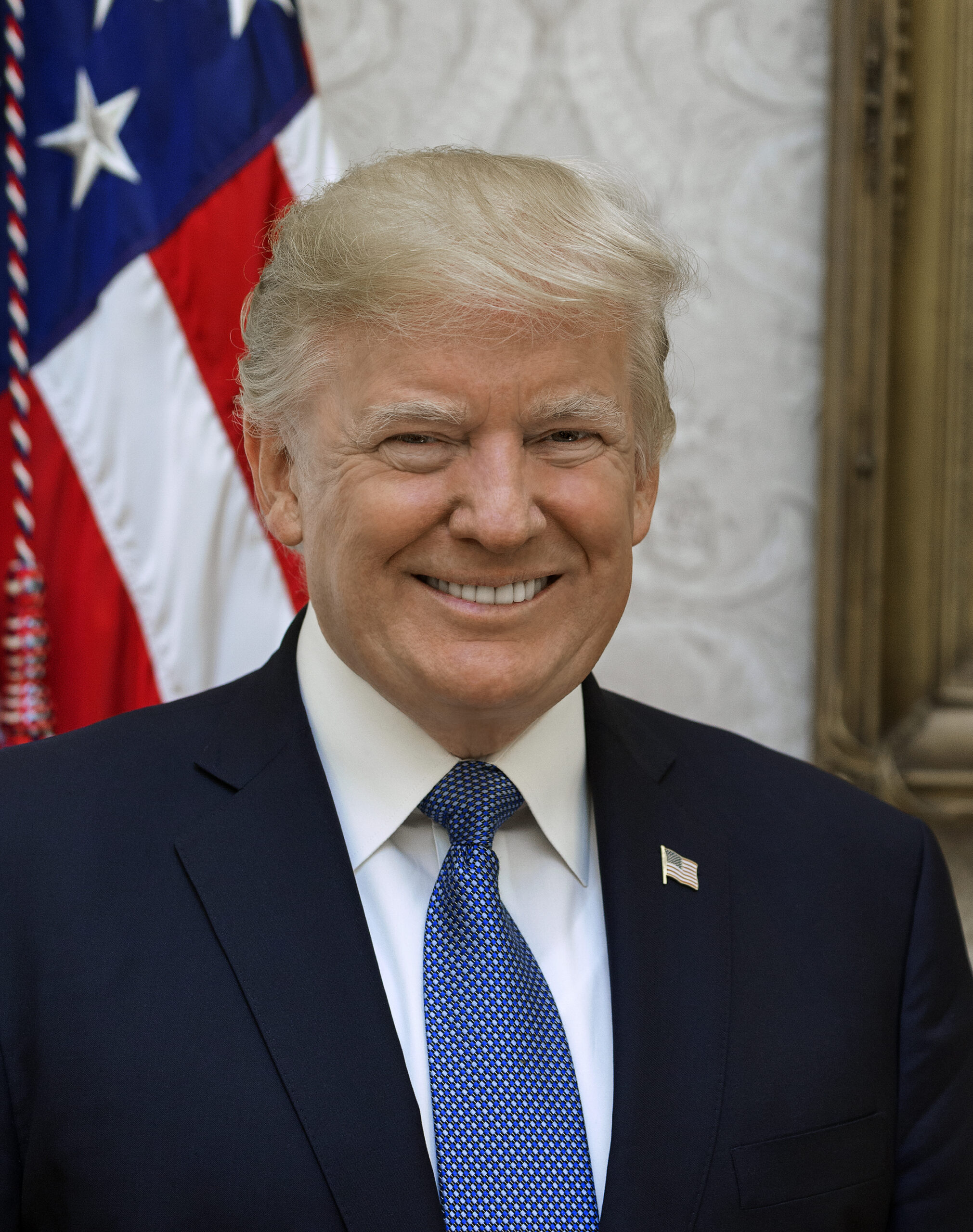
Meanwhile, US President Donald Trump maintained a hardline stance, declaring that Washington had already achieved military success regardless of the outcome of negotiations.
“Whether we reach a deal or not is secondary — we’ve already won,” he said during the talks.
The deadlock underscores deep mistrust between both sides, with Iran insisting on the lifting of sanctions and broader regional concessions, while the US continues to push for stricter security guarantees.
As the conflict drags on, attention is also shifting to Lebanon, where ongoing Israeli military operations against Hezbollah have compounded the crisis, raising fears of further escalation across the region.
With no immediate breakthrough in sight, the fate of the US proposal now rests on Tehran’s response, even as global concerns mount over the prolonged instability and its economic fallout.