
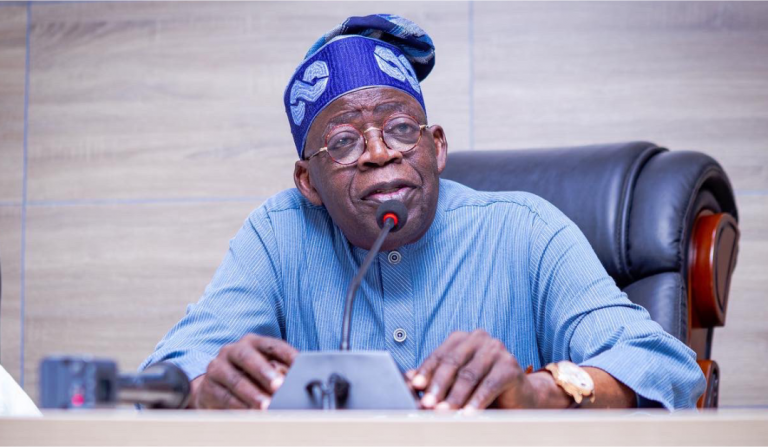

President Bola Tinubu has signed into law four critical tax reform bills aimed at overhauling Nigeria’s fiscal and revenue systems.
The signing ceremony took place on Wednesday at the Aso Rock Presidential Villa in Abuja at approximately 3:20 p.m. local time.
The new laws include the Nigeria Tax Bill, Nigeria Tax Administration Bill, Nigeria Revenue Service (Establishment) Bill, and the Joint Revenue Board (Establishment) Bill.
These bills were passed by the National Assembly following extensive consultations with stakeholders and interest groups across the country.
According to presidential spokesperson Bayo Onanuga, the new laws are expected to bring major changes to Nigeria’s tax administration.
“Once implemented, they will boost revenue generation, improve the ease of doing business, and attract both domestic and foreign investments,” he said.
Present at the signing were Senate President Godswill Akpabio, Speaker of the House of Representatives Tajudeen Abbas, the Senate and House Majority Leaders, and the chairpersons of the finance committees in both chambers.
Also in attendance were key government officials including Kwara State Governor Abdulrahman Abdulrazaq, who chairs the Nigeria Governors Forum; Imo State Governor Hope Uzodinma, chairman of the Progressives Governors Forum; Finance Minister and Coordinating Minister of the Economy, Wale Edun; and Attorney General of the Federation, Lateef Fagbemi.
Key Features of the Four Bills:
Nigeria Tax Bill (Ease of Doing Business): Consolidates fragmented tax laws into a single statute to streamline the tax system, reduce the burden on taxpayers, and enhance the ease of doing business in Nigeria.
Nigeria Tax Administration Bill: Establishes a unified legal and operational framework for tax administration at the federal, state, and local government levels.
Nigeria Revenue Service (Establishment) Bill: Replaces the Federal Inland Revenue Service Act, creating the Nigeria Revenue Service—a more autonomous and efficient agency tasked with collecting both tax and non-tax revenues.
It introduces new standards for transparency, accountability, and performance.
Joint Revenue Board (Establishment) Bill: Sets up a formal governance structure to strengthen cooperation among revenue-generating bodies nationwide.
It also establishes a Tax Appeal Tribunal and the Office of the Tax Ombudsman to enhance dispute resolution and taxpayer protection.
These legislative reforms mark a significant milestone in the federal government’s ongoing efforts to modernize Nigeria’s tax infrastructure and foster sustainable economic growth.