
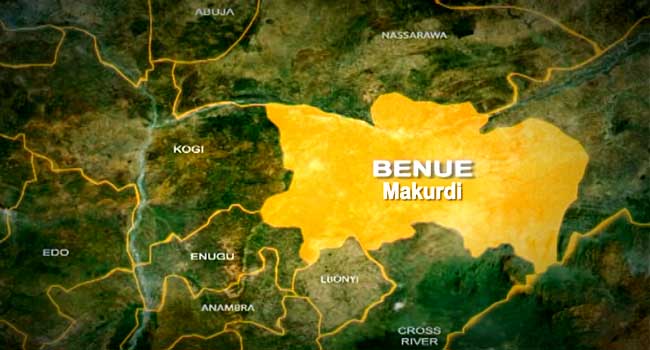

Amid rising violence and continued attacks by suspected Fulani militias, socio-cultural leaders in Benue State are calling for a return to traditional self-defence mechanisms to protect their communities.
The President General of the state’s three major socio-cultural groups—Mdzough U Tiv, Ochitoha K’Idoma, and Om’Igede—Iorbee Ihagh, urged residents to embrace indigenous methods of confronting threats, citing historical successes during past conflicts.
“Our people have defeated enemies before, especially during the jihad war of 1804, using traditional methods,” Ihagh said in an interview with Sunday PUNCH. “If we must resort to self-defence now, it means we must be prepared to make sacrifices. It’s either we die first or the enemy does.”
The renewed call for local defence strategies comes in the wake of a deadly attack on Yelewata community in Guma Local Government Area on June 13, which claimed over 200 lives and displaced hundreds more.
Sources told Sunday PUNCH that ongoing insecurity across Benue has disrupted the delivery of capital projects and sparked growing frustration, with some youths reportedly taking up arms and receiving support from influential individuals in a bid to defend their communities.
Chairman of the Gwer West Traditional Council, Chief Daniel Abomtse, also called on the government to permit local communities to bear arms. “Allowing our people to be mobilised will empower them to defend themselves at the point of invasion,” he said.
However, some leaders have urged caution. Peter Uche, who represents Guma Constituency in the Benue State House of Assembly, acknowledged past calls for self-help but advised patience in light of recent federal government action.
“Truly, there was agitation for self-defence, but no president has shown the level of commitment that President Bola Tinubu has so far,” Uche said. “Over 50 suspects have been arrested. We must give the government a chance to act.”
Meanwhile, the security crisis has had a direct impact on Benue State’s 2025 budget implementation. Despite allocating ₦550 billion for the year—with ₦357.6 billion earmarked for capital projects—only ₦23.3 billion worth of projects were executed in the first quarter, representing just 6.5% of the capital allocation.
According to the state’s Q1 2025 budget implementation report, published on the Open Nigerian States platform supported by BudgIT, insecurity was the primary factor behind the shortfall.
“Although the capital budget was increased by over ₦100 billion to accelerate rural and urban development, implementation in the first quarter was significantly low due to persistent insecurity,” the report stated.
The budget had targeted ₦89 billion worth of capital projects in Q1 alone, but the worsening security situation has halted progress in many communities.