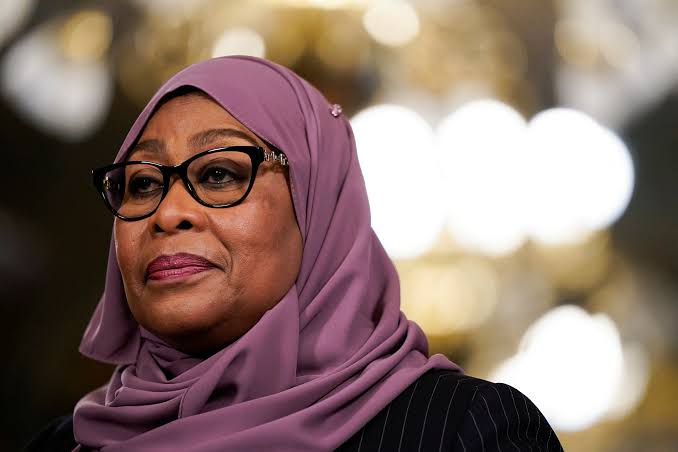


Tanzanian President Samia Suluhu Hassan is set to be inaugurated today following a controversial election marred by protests, killings, and a nationwide internet blackout.
The country’s electoral commission announced that Hassan secured 98 per cent of the votes in last Wednesday’s poll. But the opposition party, Chadema — which was barred from participating — has rejected the outcome, describing the exercise as a “sham” and calling for fresh elections.
State television said the inauguration would take place at the State House in Dodoma without public attendance, departing from the tradition of holding the event at a stadium.
Internet services have been cut since election day, severely limiting the flow of verifiable information from the East African nation.
Diplomatic sources said hospitals and health facilities across the country had recorded “hundreds, perhaps thousands” of deaths linked to post-election violence.
Chadema claimed at least 800 people were killed, though none of the figures could be independently confirmed.
The government has denied accusations of excessive force by security operatives.
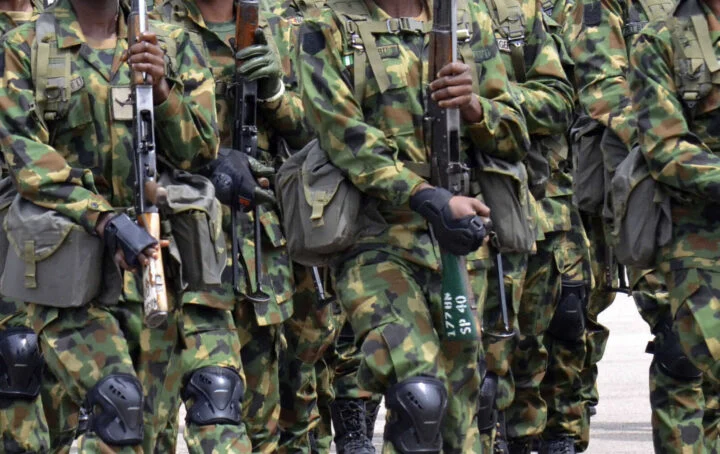
Schools and public transportation remained shut on Monday, while reports indicated that security agencies were using the communication blackout to track opposition supporters accused of documenting alleged atrocities.
In Dar es Salaam and other cities, police checkpoints were mounted, with residents subjected to searches and movement restrictions.
On Zanzibar Island, armed men in masks and without insignia were seen patrolling the streets.
A Kenyan rights group on Sunday released disturbing footage purportedly showing bodies piled on streets in Tanzania, though the authenticity of the images could not be verified.
Pope Leo XIV has called for prayers and urged dialogue to end the violence, saying the crisis had claimed “numerous victims.”
Hassan, who succeeded the late John Magufuli in 2021, was said to have sought a resounding win to consolidate her hold on power and silence internal critics within the ruling party.
Rights groups accused her administration of unleashing a “wave of terror” in the run-up to the polls, citing abductions and intimidation of political opponents.
Despite a heavy security presence, election day descended into chaos as protesters clashed with police, vandalised campaign materials, and forced polling disruptions.
The electoral commission later put voter turnout at 87 per cent.
United Nations Secretary-General António Guterres has expressed deep concern over the crisis and reports of deaths and injuries, urging restraint and respect for human rights.