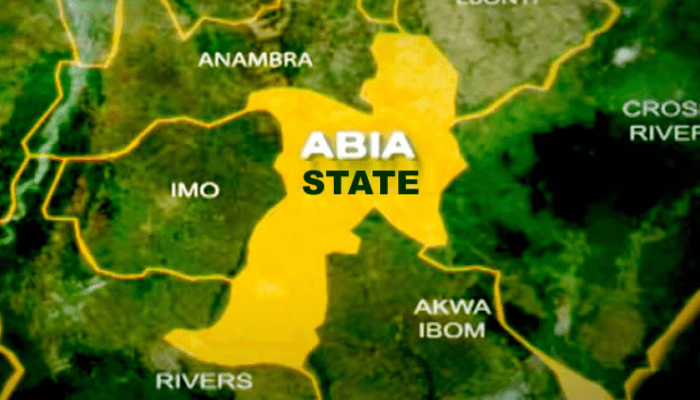


Fresh details have emerged surrounding the killing of Mr. Igwe Akuma Akwu, former President-General of the National Association of Ohafia Students (NAOS), who was shot dead in Abia State barely three days after publicly raising concerns over threats to his life.
Akwu, a youth leader from Ndi Uma compound, Okon-Aku community in Ohafia Local Government Area, was killed on Friday, January 2, by gunmen whose identities remain unknown.
His murder triggered outrage in the area, leading to the destruction of several properties as angry youths protested the incident.
The Abia State Police Command confirmed the killing in a statement, announcing the arrest of some suspects and the deployment of two tactical teams to restore calm in the community.
However, social media posts made by the deceased on December 30, 2025, have since drawn public attention, showing that Akwu had earlier alerted government authorities and security agencies to what he described as persistent threats to his safety and that of his people.
In the posts, Akwu alleged that he was brutally assaulted by suspected thugs working for an unnamed individual in January 2025.
He further claimed that his Toyota Corolla was set ablaze on October 28, 2025, by a group he accused of boasting strong political connections.
The former NAOS leader also reported that his five-year-old cousin went missing following one of the attacks, before expressing fear that speaking out publicly could put his life in danger.
Meanwhile, human rights organisations, traditional institutions and youth groups have urged residents to remain calm, while demanding a comprehensive investigation into the killing.
In a strongly worded statement on Sunday, the Executive Director of the Foundation for Environmental Rights Advocacy and Development (FENRAD), Mr. Nelson Nnanna Nwafor, called for the immediate arrest and prosecution of those responsible.
He also urged security agencies to reassess their response to early warning signals and reported threats, stressing the need for accountability over any lapses that may have contributed to the failure to protect the deceased.