
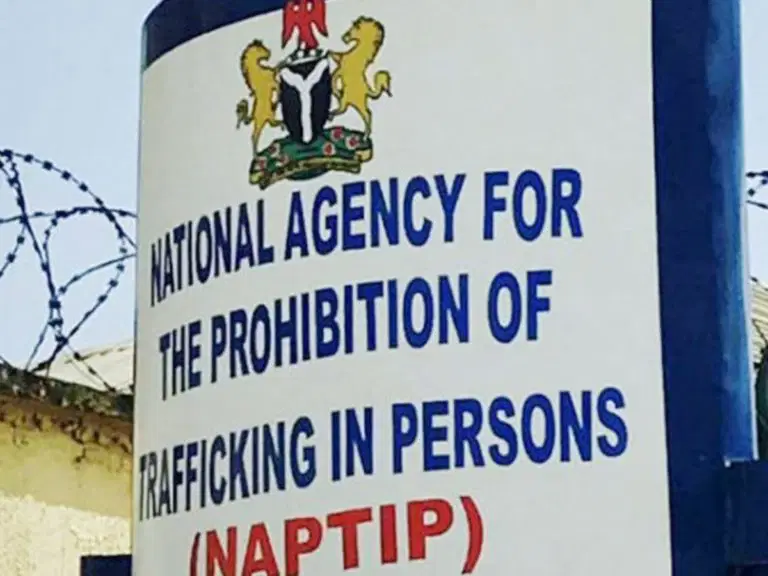


The National Agency for the Prohibition of Trafficking in Persons has launched an investigation into a viral video accusing a woman from Edo State of abusing her three-year-old son on a livestreaming platform for monetary rewards.
The agency disclosed this in a statement posted on its official X (formerly Twitter) account on Monday, describing the allegation as a serious case of child abuse and exploitation punishable under Nigeria’s anti-trafficking laws.
According to NAPTIP, the case was brought to public attention by a child rights advocate, Justina Lawrence, who shared the video online and alerted authorities to the disturbing content allegedly recorded during multiple livestream sessions.
Lawrence called for urgent action to safeguard the child and ensure that anyone found responsible faces justice.
She said the incident went beyond content creation, stressing that the child was allegedly exposed to inappropriate acts in exchange for virtual gifts from viewers.
She urged the Edo State Government and the Office of the First Lady to intervene promptly, emphasising that the child’s safety must be prioritised.
Reacting, NAPTIP confirmed that its Cybersecurity Response Team had commenced a full investigation, noting that the matter was being treated as a priority under the Trafficking in Persons (Prohibition) Enforcement and Administration Act.
The agency said it was working to secure evidence for possible prosecution of those involved, adding that the protection and welfare of the child remained paramount.
NAPTIP also encouraged members of the public to report similar incidents through its official channels, reiterating its commitment to combating child abuse, exploitation and trafficking.
The development has triggered widespread outrage on social media, with many Nigerians calling for swift action to rescue the child and hold perpetrators accountable.
Some users commended the agency for its prompt response, while others stressed the need for stricter regulation of livestreaming platforms to prevent the exploitation of minors.
Child protection advocates have also raised concerns over the growing monetisation of online content, warning that it could expose vulnerable children to abuse if not properly regulated.