
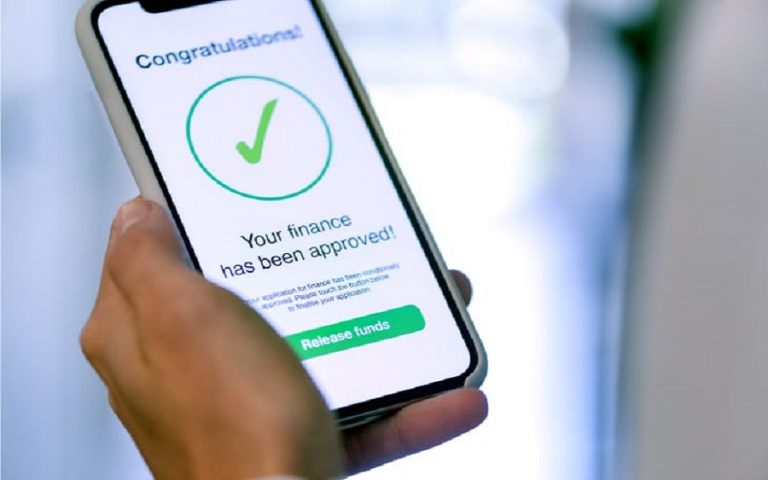

As inflation bites harder and incomes shrink, many Nigerians are increasingly turning to digital loan apps for quick cash, only to end up victims of harassment, blackmail, and defamation when they default on repayment.
As reported by PUNCH, for Mariam Ogundairo, borrowing ₦30,000 came at a steep cost.
The loan carried a 21.6 per cent interest rate, payable in two weeks. When she failed to meet the deadline, the app gained access to her phone contacts and began bombarding them with calls and messages, claiming she owed money.
“I lost my security, and it makes me so sad and scared,” Ogundairo lamented.
Her story is not unique. Several borrowers say they have been branded as criminals in bulk messages to their friends and relatives, while others had sensitive images leaked online.
In one case, a former student said he was labelled a “ritualist killer” after defaulting on a ₦70,000 loan.
“It wasn’t unwillingness to pay; it was just a case of impossibility,” he explained.
The rise in digital loan apps coincides with President Bola Tinubu’s economic reforms, including fuel subsidy removal and the floating of the naira, which pushed inflation to 21.8 per cent in July.
The hardship has left many citizens desperate for short-term financial relief.
Regulatory bodies have moved to curb excesses in the sector.
The Federal Competition and Consumer Protection Commission (FCCPC) has so far approved 408 loan apps, granted conditional clearance to 42, and blacklisted dozens for harassment.
The Central Bank of Nigeria has also licensed 23 operators. But with weak enforcement, many blacklisted firms resurface under different names.
Civil society groups warn that predatory lenders are taking advantage of the economic crisis.
Citizens’ Gavel, a legal advocacy organisation, said it has handled more than 1,300 complaints from victims, including cases where borrowers’ nude photos and fake obituaries were sent to their contacts.
“These promises are deceptive,” said Funmi Oderinde, a lawyer with the group. “Borrowers soon face defamation, harassment, breaches of privacy, and excessively high interest rates aimed at forcing repayment.”
Support groups for victims have emerged on social media, including a Facebook community with more than 21,000 members.
Yet, despite regulatory assurances of monitoring interest rates and punishing erring operators, loan sharks continue to thrive—driven by economic hardship, weak oversight, and the desperation of cash-strapped Nigerians.