

Kano Governor defends Kwankwaso, dismisses corruption allegations by former SSG
Kano State Governor, Abba Kabir Yusuf, has dismissed recent corruption allegations against Senator Rabiu Musa Kwankwaso, leader of the Kwankwasiyya Movement, calling them false and politically motivated.
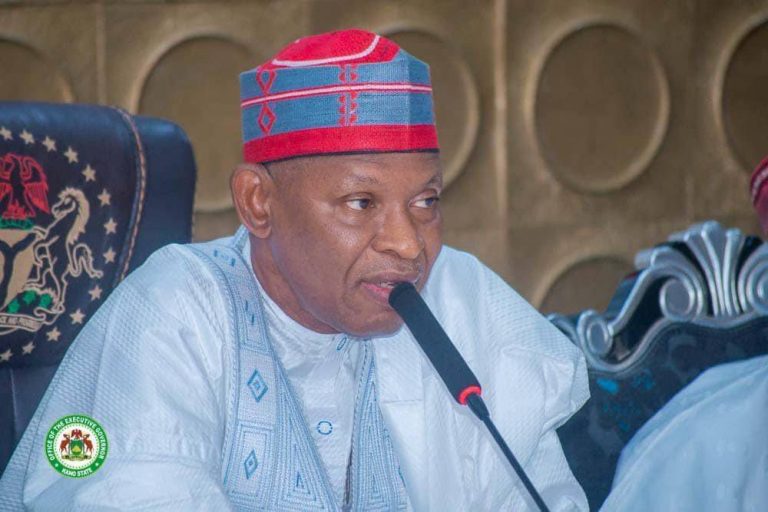
Speaking during a meeting on Sunday with 484 councillors from the state’s 44 local government areas, the governor responded to claims made by former Secretary to the State Government (SSG), Abdullahi Baffa Bichi, in a viral video.
Bichi had alleged that the current administration had misappropriated more funds in two years than the previous government under Abdullahi Ganduje did in eight years.
He also accused Kwankwaso of receiving N2 billion monthly from the state treasury.
Governor Yusuf rejected the accusations, stating, “This is a man who benefited from this administration, yet now shamelessly accuses us of corruption.
If he was honest, why didn’t he speak up while still in office?”
He expressed concern over the growing trend of public figures making unverified claims, warning that such behavior undermines societal values and encourages disrespect toward leadership.
“We will not tolerate the insult of respected figures like Kwankwaso,” he said.
Defending the former governor’s integrity, Yusuf added, “Senator Kwankwaso has served the nation honorably.
It’s unacceptable for those with minimal achievements to ridicule someone of his stature.”
The governor also criticized media outlets for broadcasting what he described as defamatory content, warning that the government would not hesitate to act against those spreading falsehoods.
Reaffirming his loyalty to Kwankwaso, Governor Yusuf declared, “Where he leads, we follow. We stand by him without regret.”
He also urged the councillors to focus on delivering development in education, healthcare, and agriculture, while reiterating his administration’s commitment to transparency and accountability.
“We will not shelter anyone found looting public funds.
We aim to renovate all local government secretariats to boost rural development, service delivery, and security,” he concluded.