
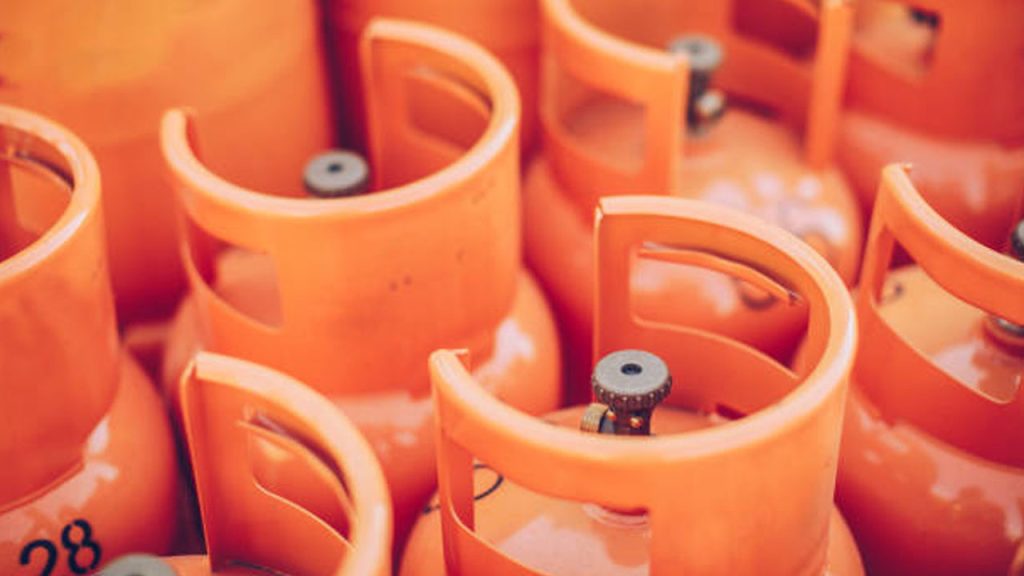

Nigerians have expressed frustration over the latest increase in the price of cooking gas, as the cost of Liquefied Petroleum Gas surged to between N1,400 and N1,500 per kilogramme in several parts of the country.
The fresh hike has pushed the cost of refilling a 12.5kg cylinder to about N17,500, up from around N14,200 recorded in recent weeks, worsening the economic burden on households already grappling with rising living costs.
Checks at several gas stations in Amuwo Odofin area of Lagos on Monday showed residents lamenting the development, with many unable to refill their cylinders because of the sudden increase.
Some customers who arrived to refill 12.5kg cylinders reportedly settled for smaller quantities, while others left without buying gas and considered switching to charcoal and firewood for cooking.
Residents blamed the worsening situation on the harsh economic realities in the country, including inflation, rising fuel prices, insecurity and declining purchasing power.
A resident, John Chukwuebuka, warned that the increase in cooking gas prices could worsen environmental challenges as more people may resort to firewood and charcoal for domestic use.
According to him, increased dependence on firewood would accelerate deforestation and expose the environment to erosion and other ecological disasters.
He also noted that wildlife habitats could be destroyed as forests are cut down for firewood production.
Another resident, identified simply as Morenike, criticised the Federal Government over the persistent economic hardship facing Nigerians.
She lamented the rising cost of food, insecurity and the continuous increase in energy prices, saying many citizens could no longer afford basic necessities.
She also accused political leaders of focusing more on the 2027 elections instead of addressing pressing national challenges affecting ordinary Nigerians.
Some residents urged the government to urgently intervene and introduce measures to stabilise the price of cooking gas to prevent further hardship.
A public affairs analyst, Chief Rowland Adenuga, described the latest increase as unfortunate, stressing that cooking gas had become one of the few alternatives for households struggling with high petrol prices.
He said the government should consider policies that would make cooking gas more affordable in order to discourage the growing use of firewood and charcoal.
According to him, subsidising cooking gas would help reduce environmental degradation caused by deforestation and desertification.
Adenuga also warned that worsening hardship could trigger public anger if urgent solutions were not introduced.
Similarly, an education rights activist, James Hamilton, linked the latest price increase to the country’s inflation crisis.
He said the rising cost of goods and services across sectors had affected cooking gas prices, adding that many Nigerians were finding it increasingly difficult to cope with daily expenses.
Hamilton urged the government to introduce policies that would cushion the effects of inflation and ease the suffering of citizens.
Also speaking, Prof. Anthony Ugwu of Nnamdi Azikiwe University said the increase in cooking gas prices could also be linked to rising demand.
He explained that many Nigerians now use gas-powered generators following the removal of fuel subsidy, thereby increasing pressure on supply.
Ugwu warned that continued increases in cooking gas prices could force more households to return to traditional cooking methods, with severe consequences for forests and the environment.
He called on the government to urgently investigate the causes of the latest hike and implement measures to stabilise prices before public frustration escalates further.